Smart Homes, No Strings Attached: How Energy Harvesting is Powering the Future of IoT
June 20, 2025
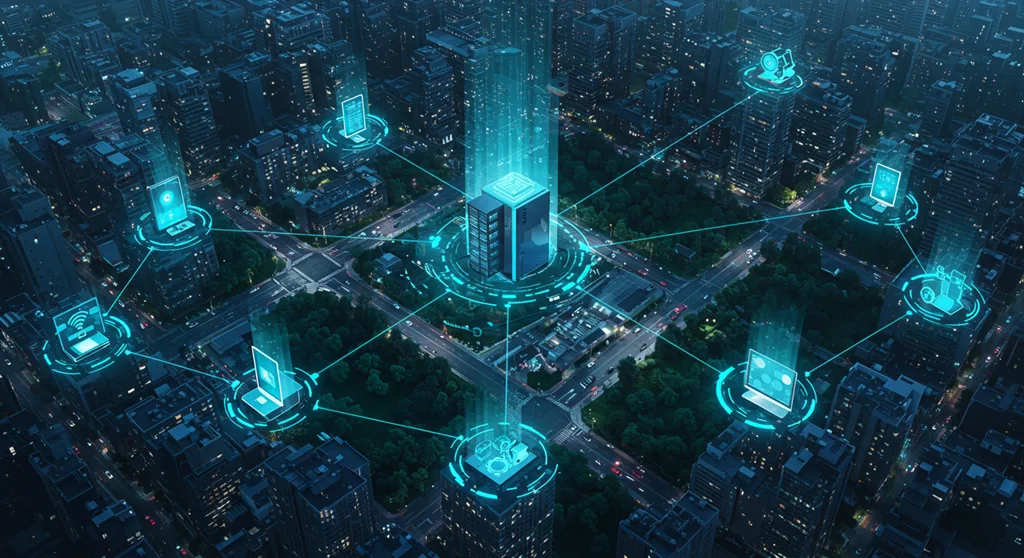
As the number of connected devices continues to skyrocket—set to surpass 40 billion by 2030—keeping them powered has become a growing concern. The traditional reliance on batteries not only increases maintenance costs but also adds to the global issue of electronic waste. In response, innovators are shifting toward energy harvesting, a technology that taps into surrounding energy sources like light, motion, and heat to power devices—without the need for batteries.
Leading the charge in this transition are Belgian tech firm e-peas and connectivity expert Qorvo, who have teamed up to deliver smart, self-sufficient IoT solutions. One of their standout innovations is a Matter-compatible smart light switch that runs entirely on energy harvested from indoor lighting.
At the heart of this light switch is a photovoltaic cell that captures ambient light, paired with e-peas’ AEM13920 energy harvesting power management IC. This chip plays a crucial role in efficiently collecting, storing, and distributing energy, while also preventing overcharging and monitoring system performance. Together with Qorvo’s QPG6200 system-on-chip, the switch supports multiple connectivity standards—including Matter, Zigbee, Thread, and Bluetooth Low Energy—making it highly adaptable for a variety of smart home environments.
But the impact of energy harvesting goes far beyond lighting. From wearable health monitors and remote infrastructure sensors to public transportation systems and emergency response tools, this technology opens the door to powering devices in places where regular maintenance or battery replacement is difficult or impossible.
With the right power management solutions, energy harvesting not only cuts down on operational costs but also offers a greener, more sustainable path for the future of the Internet of Things.