Antennas in Defense: Enabling Advanced Communication Systems
November 7, 2022

Cutting-Edge Antenna Technologies Transform Military Capabilities and Security Operations
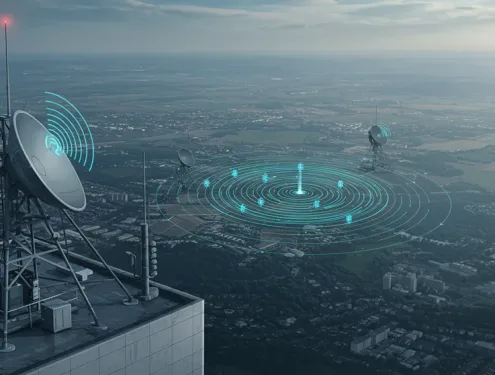
In the defense industry, antennas play a pivotal role in modernizing communication systems, surveillance, and situational awareness. As military operations become more complex and technologically driven, the need for advanced antenna systems to support critical tasks like secure communications, radar systems, and navigation has never been more pressing. With a growing focus on precision, range, and stealth, the defense sector is investing heavily in antenna technologies that can meet these evolving demands.
One of the key areas where antennas have significantly impacted the defense industry is secure communication. Military operations require real-time, encrypted communication between troops, vehicles, and command centers, especially in hostile environments. Wideband antennas have been developed to support high-speed data transmission, providing secure and reliable communication channels even in the most challenging conditions. These antennas are used in satellite communication systems, ground-based communication relays, and unmanned aerial vehicles (UAVs), ensuring seamless connectivity on the battlefield.
Another important development is the use of phased array antennas, which offer precise beam steering without mechanical movement. These antennas are essential for radar and surveillance systems, where fast and accurate tracking of moving targets is required. Phased array antennas can quickly change the direction of their signal to scan large areas or lock onto specific objects, making them ideal for early warning systems, missile defense, and air traffic control. The ability to rapidly adapt the beam direction enhances the detection of low-profile threats such as stealth aircraft or incoming missiles.
Electronic warfare (EW) has also benefited from advancements in antenna technology. Antennas designed for EW applications are used to jam enemy signals or intercept communications, providing a strategic advantage in conflict zones. Direction-finding antennas are employed in electronic intelligence (ELINT) systems to detect and analyze enemy radar and communication signals, allowing military forces to counteract hostile actions before they can have an effect. These systems are crucial for maintaining the element of surprise and ensuring operational superiority.
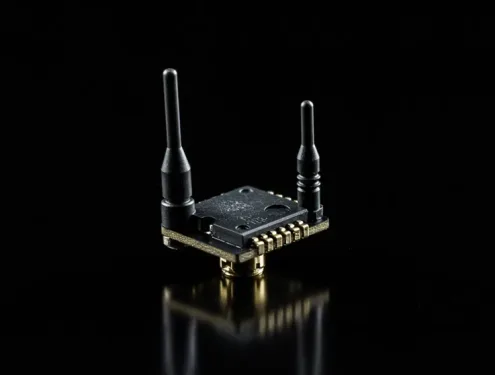
Moreover, the growing use of unmanned systems in defense—such as UAVs, unmanned underwater vehicles (UUVs), and ground robots—has led to the development of compact and rugged antennas that can function in a wide range of environments. These antennas are designed to be lightweight yet powerful, providing continuous communication for real-time data sharing, remote control, and live-streamed intelligence from remote or dangerous areas.
In stealth technologies, antennas are being integrated into military platforms in innovative ways. Conformal antennas, which seamlessly blend into the surface of aircraft, ships, and other vehicles, help reduce the radar signature of military assets. This stealth feature is critical in preventing detection by enemy radar systems, thereby enhancing the survivability of valuable defense assets during covert operations.
As global security threats become more sophisticated, the role of antennas in defense will continue to grow, enabling military forces to maintain a technological edge. From secure communications to advanced radar systems and stealth operations, antennas are a cornerstone of modern defense technologies, providing the necessary tools for success on the modern battlefield.